



| HEADLINE |

|
US steps in to stop the Japanese currency crash
Published : Monday, 3 August, 2026 at 2:23 PM
Observer Online Report


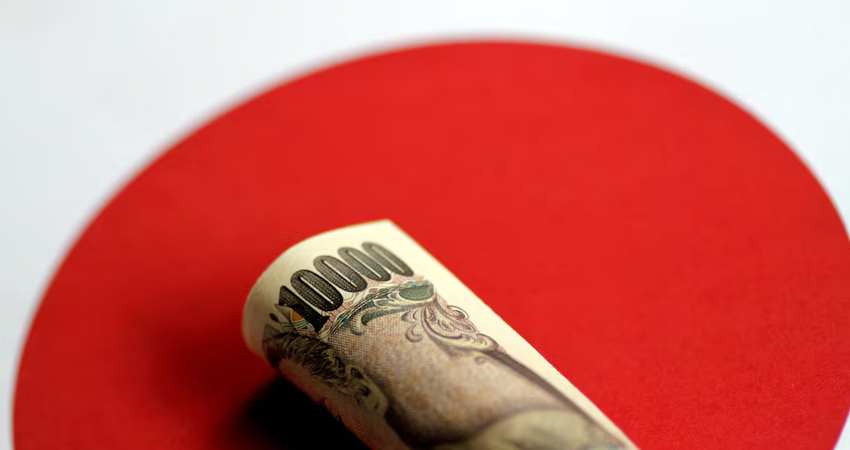
Image: Reuters
The US and Japan have conducted a coordinated yen-buying intervention and stand ready to take further action to halt the yen slide to fresh 40-year lows, Reuters reported it with reference to Japan’s finance ministry on Monday.
This rare bilateral action reflects a shared commitment by both nationals to prevent a selloff of yen and Japanese government bonds (JGBs) from causing global market disruptions, including an upward pressure on the US Treasury yields.
This joint intervention marks the first coordinated effort between the two countries since 2011, when action was taken to weaken the yen following the devastating earthquake in eastern Japan.
US President Donald Trump on Sunday said Washington helped Tokyo support the yen as a gesture of friendship and to stabilize the global economy. Analysts noted that the move also helps the US address concerns that extreme yen weakness could offset the impact of US tariffs.
In a statement, Japan’s Finance Ministry said Friday’s joint intervention with the US Treasury Department aimed to counter excessive volatility and disorderly movements in the currency market.
"We will not hesitate to conduct further coordinated intervention," Japanese Finance Minister Satsuki Katayama told reporters on Monday.
Following the announcement, the yen surged over one per cent to 155.20 per dollar, recovering from last month's 40-year low near 164. Katayama declined to comment on whether authorities intervened again on Monday.
Japan’s top currency diplomat Atsushi Mimura said Tokyo will continue aligning currency policy with the Bank of Japan’s (BOJ) monetary policy to stabilize the exchange rate.
US Treasury Secretary Scott Bessent confirmed Friday’s intervention, reaffirming Washington’s willingness to join future efforts and supporting potential interest rate hikes by the BOJ.
The developments have heightened market expectations for a rate hike by the Bank of Japan as early as its September policy meeting. The two-year JGB yield reached 1.545 per cent on Monday, its highest level since 1995, as markets priced in an early rate increase.
Bessent also mentioned that the US would consider expanding the Federal Reserve's repurchase facility in the coming months. The tool allows Japan to access dollar liquidity without directly selling US Treasuries, easing funding pressures for future market interventions.
While market experts acknowledge that joint intervention carries greater impact than solo action, some analysts caution that structural factors - such as high fuel import costs and interest rate gaps between the US and Japan - may limit long-term yen gains.
-SA
Loading...
Loading...
Also read








Editor : Iqbal Sobhan Chowdhury
Published by the Editor on behalf of the Observer Ltd. from Globe Printers, 24/A, New Eskaton Road, Ramna, Dhaka.
Editorial, News and Commercial Offices : Aziz Bhaban (2nd floor), 93, Motijheel C/A, Dhaka-1000.
Phone: PABX- 41053001-06; Advertisement: 41053012; 01793317829, 01550707291, E-mail: [email protected], [email protected] Online: email: [email protected] 41053014; 01550707297 Advertisement: 01550707296
Published by the Editor on behalf of the Observer Ltd. from Globe Printers, 24/A, New Eskaton Road, Ramna, Dhaka.
Editorial, News and Commercial Offices : Aziz Bhaban (2nd floor), 93, Motijheel C/A, Dhaka-1000.
Phone: PABX- 41053001-06; Advertisement: 41053012; 01793317829, 01550707291, E-mail: [email protected], [email protected] Online: email: [email protected] 41053014; 01550707297 Advertisement: 01550707296


